
Tip & Trick
Struggling to get started with SharePoint? These eight beginner-friendly tips will help you navigate Microsoft's powerful collaboration platform with confidence, even if you're new to document management and teamwork tools.
Start with SharePoint Modern Experience
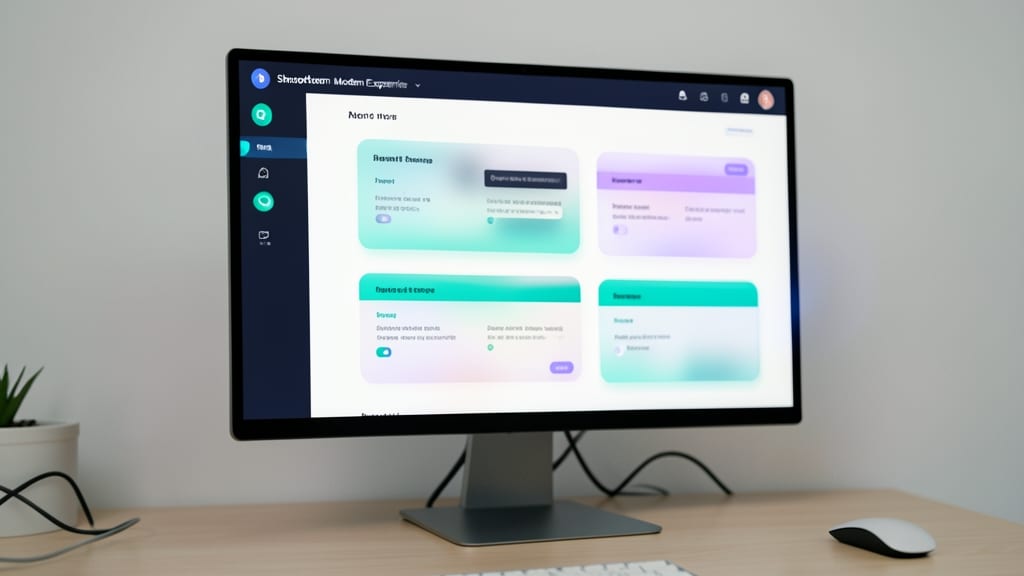
If SharePoint’s classic interface feels overwhelming, SharePoint Modern Experience is your fresh start—a sleek, mobile-friendly redesign built for speed and simplicity. Unlike the older version, Modern Experience uses a clean, card-based layout with intuitive navigation, making it easier to find sites, documents, and tools without digging through menus.
Key features include the command bar (a simplified ribbon) and adaptive layouts that adjust for different screen sizes. The search function now surfaces results faster, while news and activity feeds keep you updated on team changes. Microsoft even added dark mode for reduced eye strain—perfect for long workdays.
This upgrade is ideal for new users, small teams, or anyone migrating from older SharePoint versions. With fewer clicks and a more modern feel, you’ll spend less time figuring out the platform and more time getting work done. 💡
Master the quick access toolbar

Tired of wasting time hunting through SharePoint menus for the same commands? The Quick Access Toolbar is your secret weapon—a customizable ribbon that puts your most-used tools just a click away. Unlike the cluttered ribbon, this toolbar adapts to your workflow, reducing repetitive clicks from minutes to seconds.
Start by clicking the gear icon in the top-right corner of the toolbar to pin frequently used commands like “New,” “Edit,” or “Share.” Add shortcuts for Power Automate flows or document libraries you access daily. Pro tip: Use the search bar inside the toolbar to find commands by name—no more scrolling through menus. Keyboard shortcuts (like Alt + F to open the toolbar) make it even faster.
This trick is a game-changer for project managers, HR teams, or anyone juggling multiple SharePoint tasks. Spend less time navigating and more time getting work done—without the frustration. ⚡
Use document libraries effectively

Ever spent hours hunting for the right file version in SharePoint, only to realize you’ve been working on outdated drafts? A well-structured document library prevents this chaos by design—if you set it up right from the start.
Start by using metadata columns (like "Project Name," "Department," or "Status") to categorize files automatically. Enable versioning so every save creates a timestamped backup, and set retention policies to auto-delete old drafts after 30 days. For teams, create separate folders for "Active Projects," "Archives," and "Templates" to mirror your workflow.
This system works best for project managers, HR teams, or anyone juggling multiple file types. A little upfront structure saves hours of frustration later. ✨
Leverage Microsoft lists for simple databases
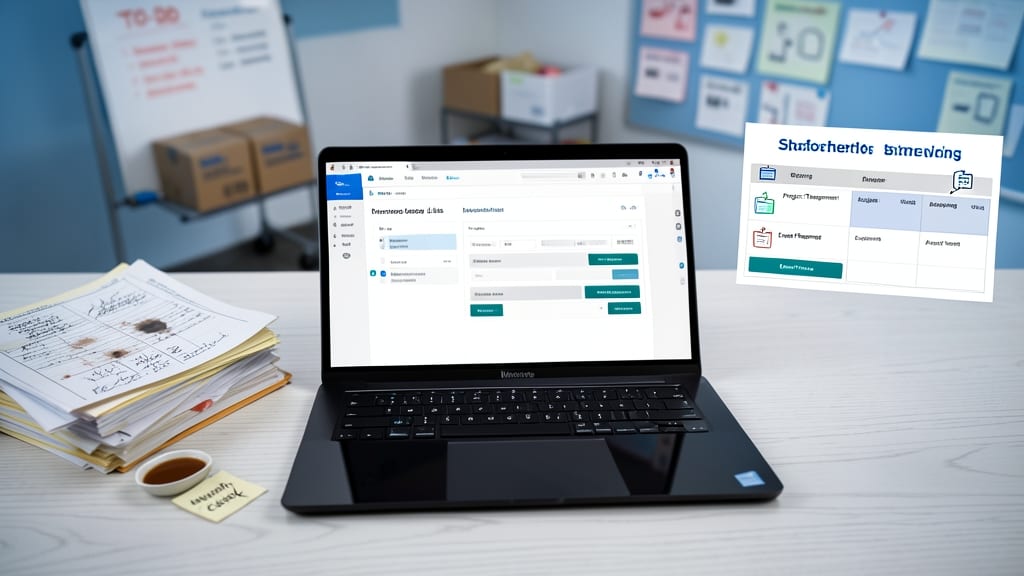
Tired of messy spreadsheets or lost track of your team’s inventory? Microsoft Lists turns SharePoint into a no-code database that’s easier to use than a to-do list app.
With just a few clicks, you can create custom tables for project tracking, asset management, or even event planning. The drag-and-drop interface lets you add columns like status dropdowns, dates, or hyperlinks—no SQL or coding required. Plus, it syncs with Excel and integrates seamlessly with Teams, so your data stays accessible.
Perfect for small teams managing inventory, tracking client projects, or organizing event details—this is the zero-config way to keep your workflows organized. ✨
Set up basic permissions correctly
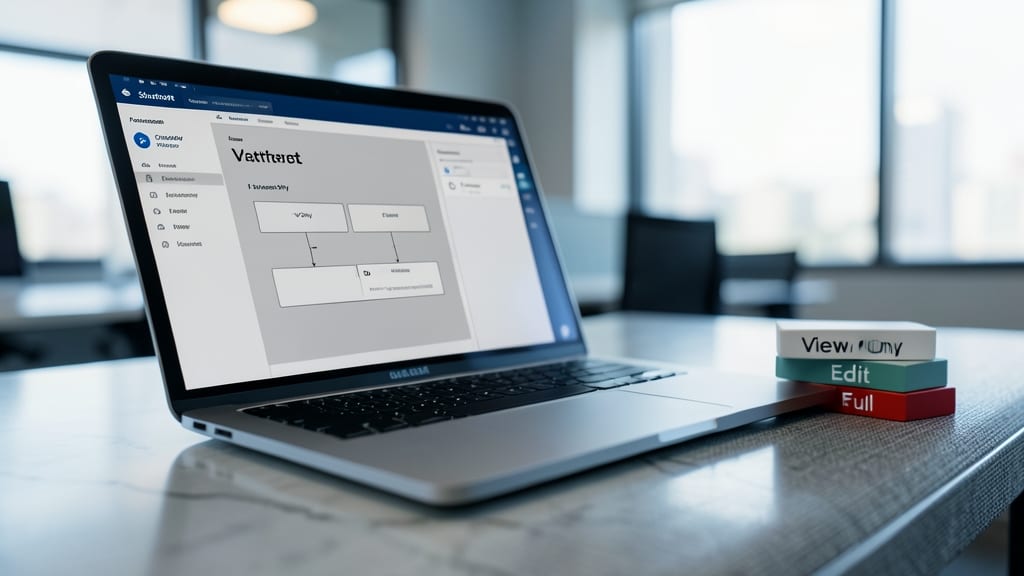
One of the fastest ways to avoid security headaches is by setting up permissions correctly from day one. Many beginners accidentally grant excessive access, creating unnecessary risks or confusion down the road.
Start by using SharePoint’s built-in permission levels like View Only, Edit, and Full Control—assigning only what’s necessary. For example, give team members Edit access to project folders but restrict Full Control to admins only. The Share and Manage Access feature lets you add users or groups directly, while the Stop Inheriting Permissions option ensures granular control over specific libraries or lists.
This approach is ideal for small teams or project managers who need to maintain security without overcomplicating access. A well-structured permission plan prevents future headaches and keeps sensitive data safe. ✨
Create simple workflows with Power Automate

Tired of manually moving files between SharePoint and Outlook? Power Automate bridges that gap with simple, no-code workflows that feel like magic—but without the complexity. Microsoft’s built-in automation tool lets you connect SharePoint lists to Outlook, Teams, and even Excel using pre-built templates.
Start with a “When a new item is created” trigger in SharePoint to auto-send emails via Outlook or post updates to Teams channels. The drag-and-drop editor requires zero coding: just pick a template (like “Approval Workflow”) and tweak the details. For example, automate sending weekly project status reports from SharePoint to your team’s inbox every Friday.
Perfect for small teams or solo admins managing repetitive tasks like approvals, notifications, or data syncs. With over 300+ connectors (including non-Microsoft apps), you’ll wonder how you ever lived without it. ✨
Use OneDrive sync for offline access

Frustrated when SharePoint files vanish the second your Wi-Fi cuts out? OneDrive’s offline access feature turns this common remote-work nightmare into a seamless experience—no more waiting for connections to return.
Simply sync your SharePoint documents to OneDrive via the Files tab in any library, then enable Files On-Demand in OneDrive settings. Your files stay accessible even offline, with changes auto-saving to the cloud when you reconnect. The 5GB storage limit (free tier) covers most documents, and drag-and-drop syncing takes seconds.
Perfect for road warriors, field teams, or anyone with spotty internet. Just remember to periodically check for sync conflicts—this keeps your work flowing without interruptions. ✨
Bookmark essential SharePoint help resources

Stuck on a SharePoint hurdle? Instead of guessing solutions, bookmark Microsoft’s official support hub and community forums—your secret weapons for quick fixes. These resources cut through confusion with step-by-step guides, video tutorials, and real-user discussions tailored to common beginner struggles.
Start with the Microsoft SharePoint Support Center (direct link in your browser) for verified troubleshooting. Need peer insights? The Microsoft Tech Community forum hosts active discussions on everything from permission errors to Power Automate workflows, with responses from Microsoft engineers. Pro tip: Save these links to your browser’s bookmarks bar for instant access.
Perfect for admins, team leads, or anyone managing SharePoint sites. When theory meets practice, these resources turn "I don’t know" into "I fixed it!" in minutes. ✨