
Outlook
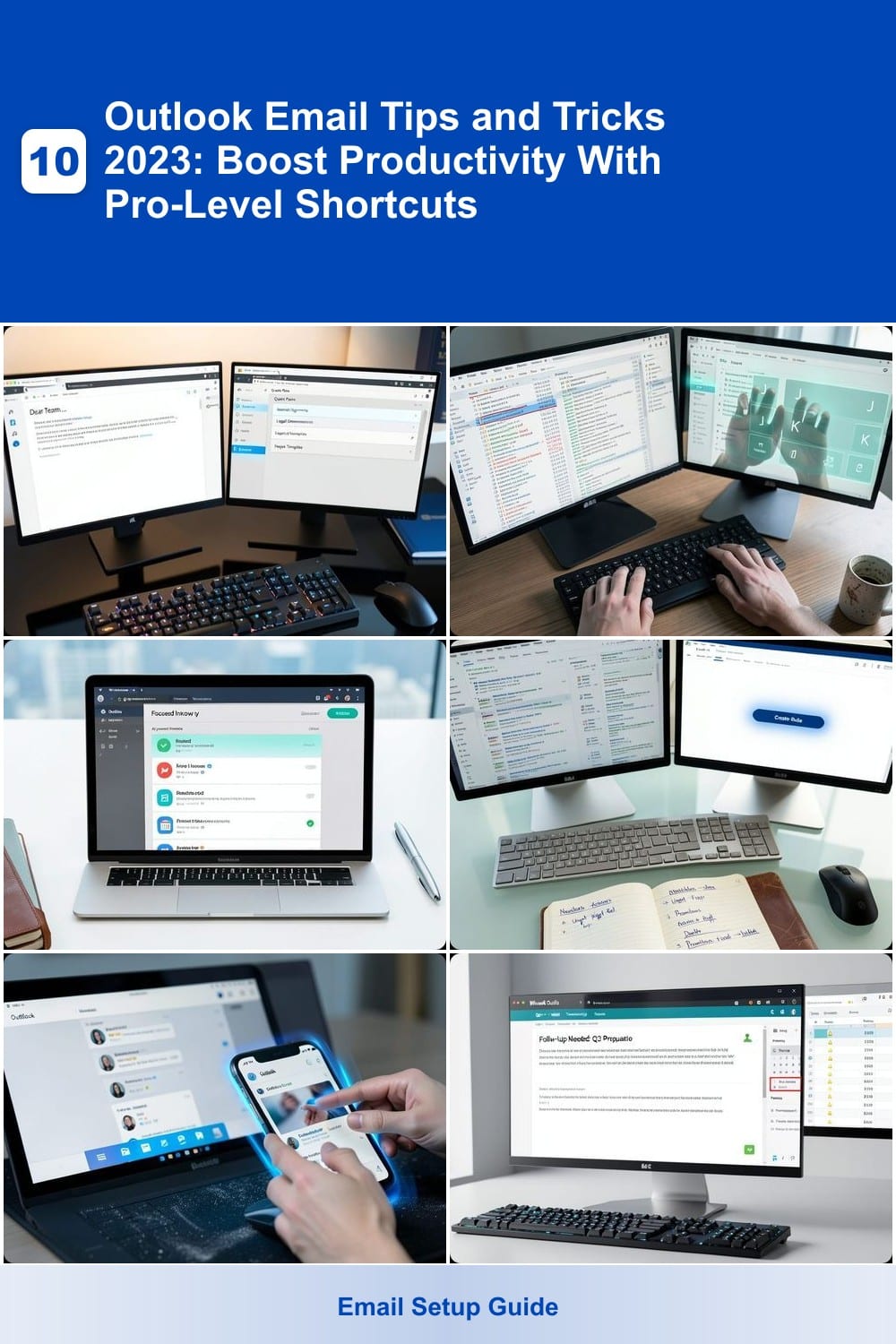
Mastering Microsoft Outlook can transform your email workflow from overwhelming to effortless. These 10 pro-level tips and tricks for 2023 will help you manage your inbox faster, automate repetitive tasks, and reclaim hours every week—whether you're using Outlook on desktop or web.
Quick Parts for Reusable Email Signatures
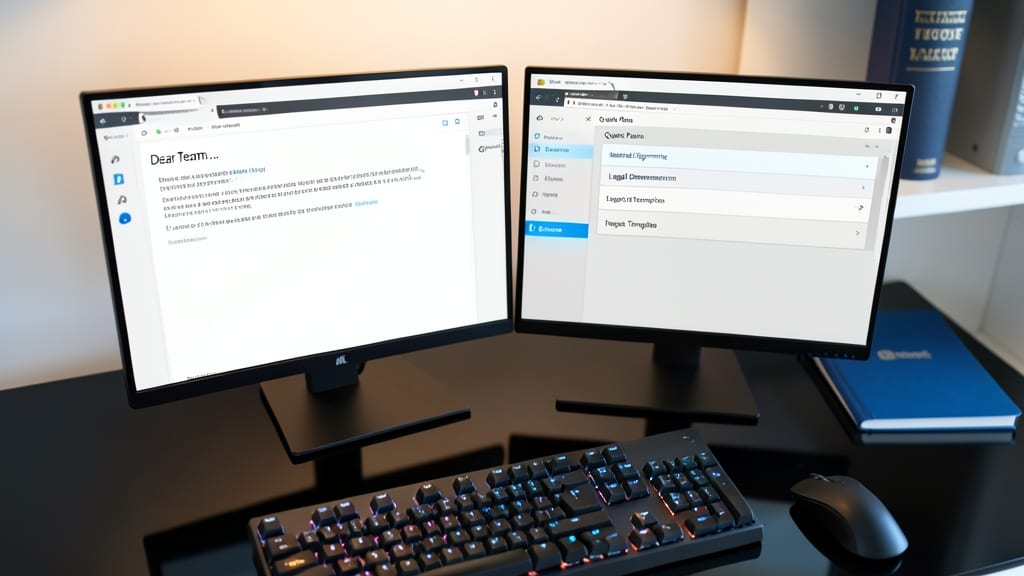
Tired of typing the same email signatures, disclaimers, or legal boilerplate over and over? Outlook’s Quick Parts feature lets you save reusable text blocks—like your standard signature, compliance statements, or project templates—and insert them with a single Ctrl+F3 shortcut. No more copy-pasting errors or wasted time reformatting.
To get started, highlight the text you want to reuse (e.g., your full signature with contact info), go to the Insert tab, and click Quick Parts > Save Selection to Quick Parts Gallery. Name it (e.g., "Client Signature") and assign a shortcut. Now, every time you compose an email, just press Ctrl+F3, select your saved block, and it inserts instantly—formatted exactly as you saved it. Pro tip: Use this for meeting request templates or client onboarding emails to cut drafting time by half.
Perfect for legal professionals, sales teams, or anyone sending repetitive emails, Quick Parts turns manual busywork into a one-click solution. Try it today and reclaim minutes that add up to hours every month! ✨
Keyboard Shortcuts for Speed Reading
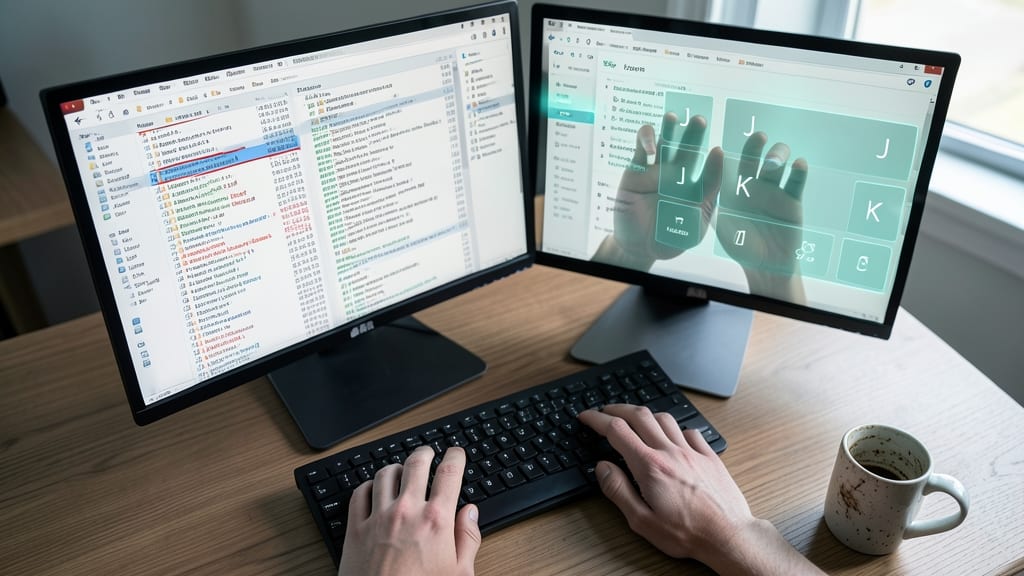
Staring at a packed inbox and wishing you could skim emails faster? Outlook’s hidden keyboard shortcuts let you navigate messages at lightning speed—without lifting your hands from the keyboard. These lesser-known commands (like J to move down and K to move up) turn your inbox into a power-reading tool, perfect for professionals drowning in high-volume communications.
Master these pro-level shortcuts to cut reading time by 30-50%:
- Ctrl+Shift+I: Instantly focus on the Inbox (bypassing folders).
- Shift+Enter: Add a new line in a reply without sending.
- Ctrl+Enter: Send the email without closing the compose window.
- Ctrl+Shift+A: Mark an email as unread (great for follow-ups).
- Ctrl+Shift+D: Flag an email for follow-up in one keystroke.
Ideal for executives, customer support teams, or anyone juggling 100+ emails daily, these shortcuts transform passive scrolling into an active, efficient workflow. Try them today and reclaim hours weekly! ⚡
Focused Inbox for Priority Management
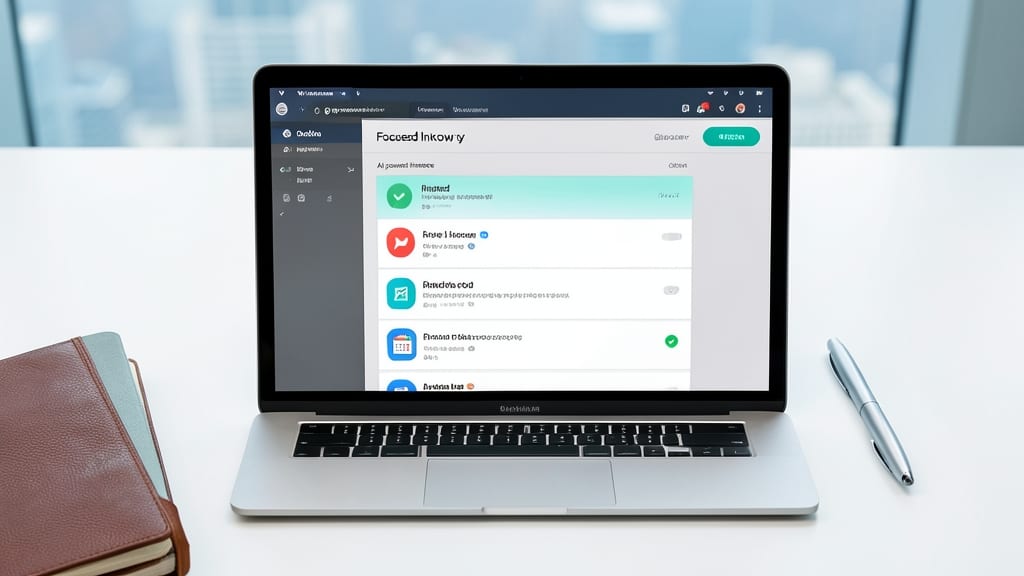
Drowning in emails but struggling to spot what truly matters? Outlook’s Focused Inbox automatically sorts high-priority messages into a separate tab, so you can focus on critical tasks without scrolling through noise. This AI-powered feature learns from your actions—flagging replies, meeting requests, and emails from key contacts—while tucking away newsletters and promotional clutter.
To enable it, go to View > Focused Inbox or toggle the switch in the navigation pane. You’ll see two tabs: Focused (for important emails) and Other (for low-priority items). The system adapts over time, ensuring your most relevant messages stay front and center. For teams, this means faster responses to clients, while executives can prioritize strategic communications without missing deadlines.
Perfect for professionals juggling multiple projects, Focused Inbox cuts decision fatigue by giving you a curated view of what demands your attention first. ⚡
Rules to Auto-Organize Incoming Emails
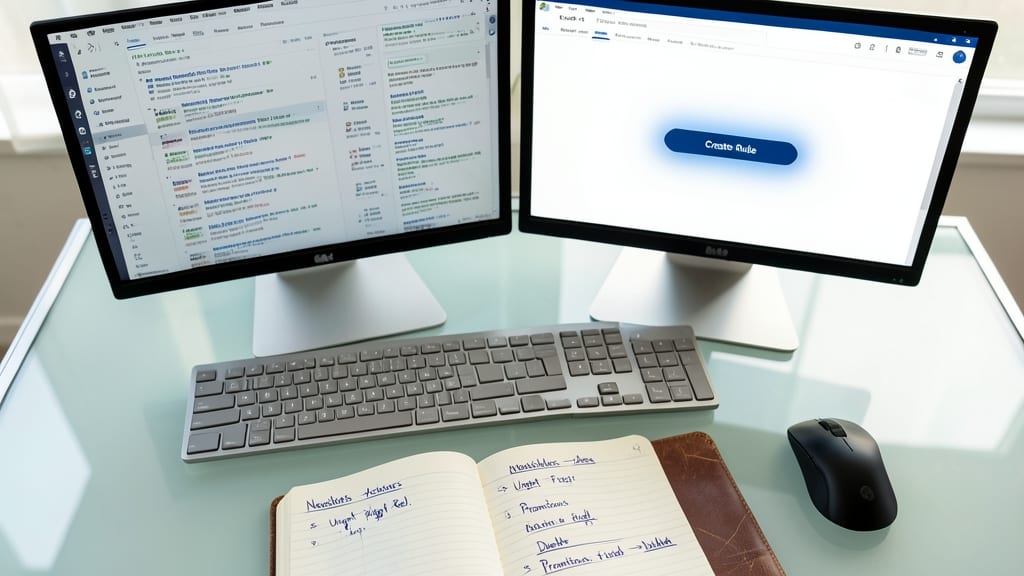
Tired of sifting through hundreds of emails daily? Outlook’s Rules feature acts like a personal email butler, automatically sorting, flagging, or deleting messages based on your preferences—no manual effort required.
Create rules to move emails from specific senders (like newsletters) to dedicated folders, flag high-priority messages from clients, or even delete promotional content with one-click setup. You can refine rules further by keywords, attachments, or email size, ensuring your inbox stays lean. For example, auto-archive emails over 5MB or flag messages containing "urgent" in the subject line.
This is a game-changer for small business owners, freelancers, or anyone drowning in subscriptions and notifications. Spend less time organizing and more time focusing on what matters. ✨
Swipe Actions for Instant Email Handling
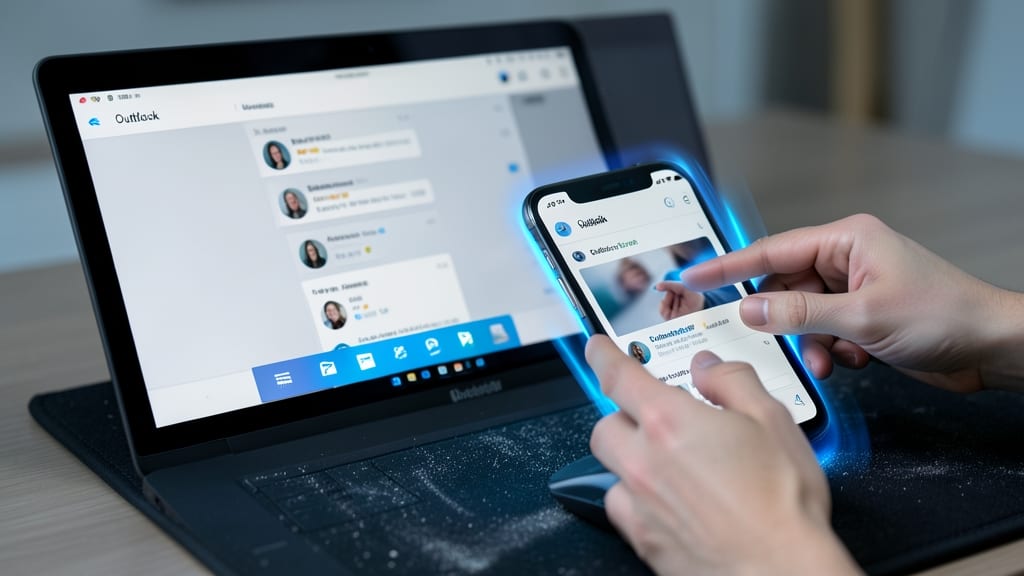
Tired of tapping through emails one by one? Outlook’s swipe actions let you handle messages in seconds—no keyboard shortcuts required. On mobile, swipe left to archive, right to delete, or use two fingers to flag emails instantly. Even on desktop, enable the touch/mouse gesture bar to replicate this speed.
This feature works seamlessly across Outlook for iOS/Android and the desktop app (with gesture settings in File > Options > Mail). Need to quickly clear promotions? Swipe right. Flag a priority email? Swipe left with two fingers. It’s the fastest way to declutter your inbox when you’re on the go.
Perfect for busy professionals, students, or anyone who checks email between meetings. Try it next time you’re waiting in line—your inbox will thank you. ✨
Track Email Opens and Replies
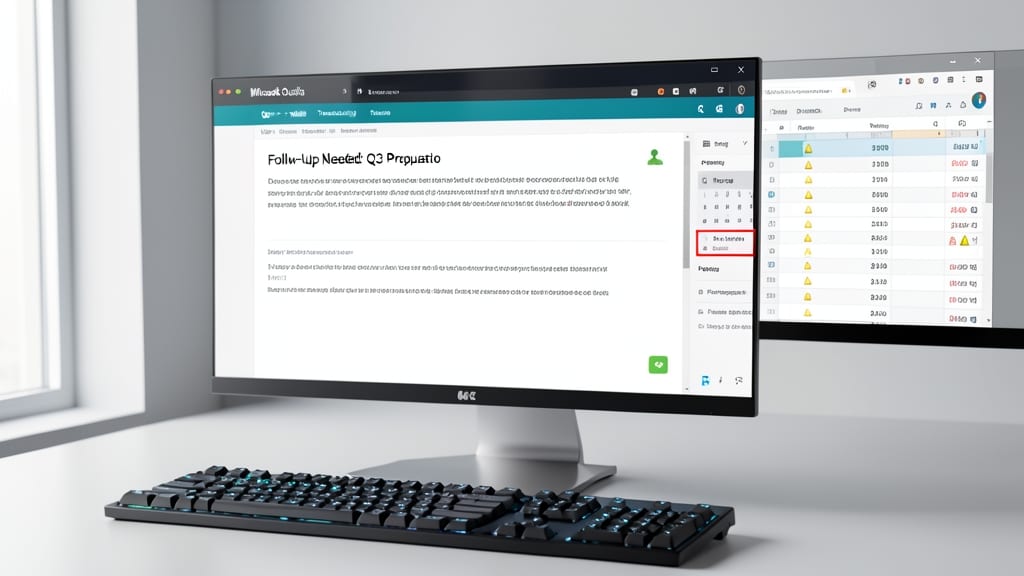
Ever sent a critical email and wondered if it was even read? Outlook’s read receipts and follow-up reminders turn guesswork into actionable insights—perfect for sales teams chasing leads or project managers tracking deadlines.
Enable read receipts in the Options > Mail > Tracking settings, then send emails with a simple toggle in the Message tab. For follow-ups, use Outlook’s built-in reminders (right-click an email > Follow Up) to schedule alerts at custom intervals. The 2023 update even adds visual indicators in the conversation thread, showing when recipients open or reply.
This feature shines for sales professionals tracking prospect engagement or project managers ensuring critical updates aren’t ignored. No more radio silence—just data-driven follow-ups. 💡
Search Folders for Custom Filters
Drowning in emails but needing to find specific communications instantly? Search Folders in Outlook let you create dynamic filters that update automatically—no manual sorting required. Unlike static folders, these search-based containers adapt to new emails matching your criteria, like "from:client@lawfirm.com AND subject:proposal" or "received:last 7 days AND flagged:high."
Set up a Search Folder in seconds by right-clicking in the navigation pane and selecting "New Search Folder." Choose from templates like "Unread Mail" or "Large Mail" (over 10MB), or customize with advanced criteria such as keywords, dates, or attachment types. These folders sync across devices, so your filtered views stay consistent whether you're at your desk or on the go. For legal professionals or researchers, this means instant access to case-related emails or project updates without digging through archives.
Perfect for anyone who spends hours hunting for critical emails—no more scrolling through clutter. Try creating a "Follow-Up Required" folder today to streamline your workflow. ✨
Scheduled Emails for Perfect Timing
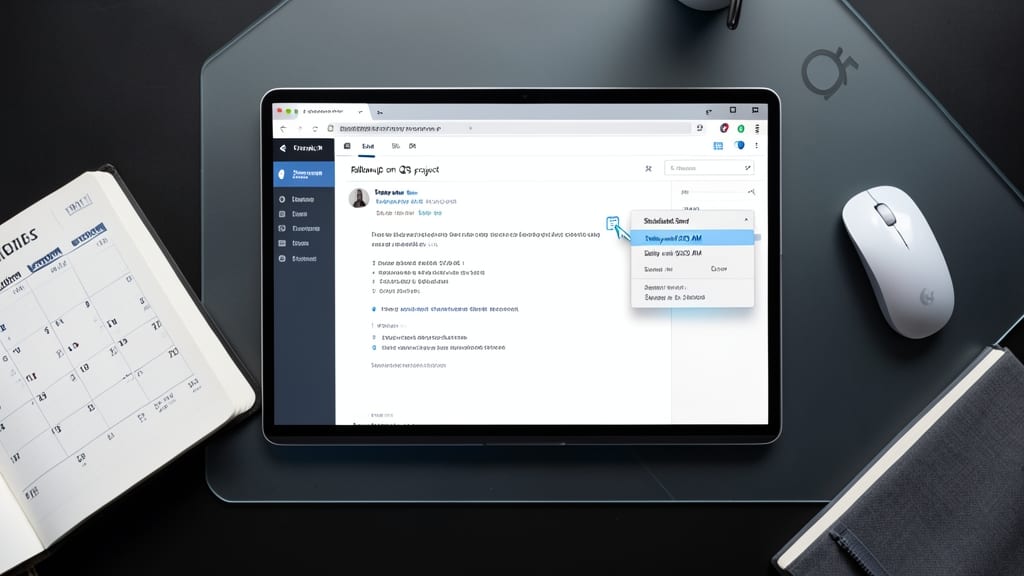
Ever sent an email only to realize it arrived at the worst possible time? Outlook’s Schedule Send feature lets you time emails perfectly—whether it’s catching clients in their 9 AM inbox rush or coordinating with teams across time zones.
To use it, simply compose your email, click the calendar icon in the ribbon, and pick your send time (down to the minute). Works seamlessly with Outlook for Windows, Mac, and mobile—no third-party tools needed. Pro tip: Schedule newsletters or updates overnight to hit inboxes when recipients are most active.
Marketers and global teams will love this for higher engagement rates without extra effort. Set it and forget it! ⚡
Clean Up Conversation Threads Easily
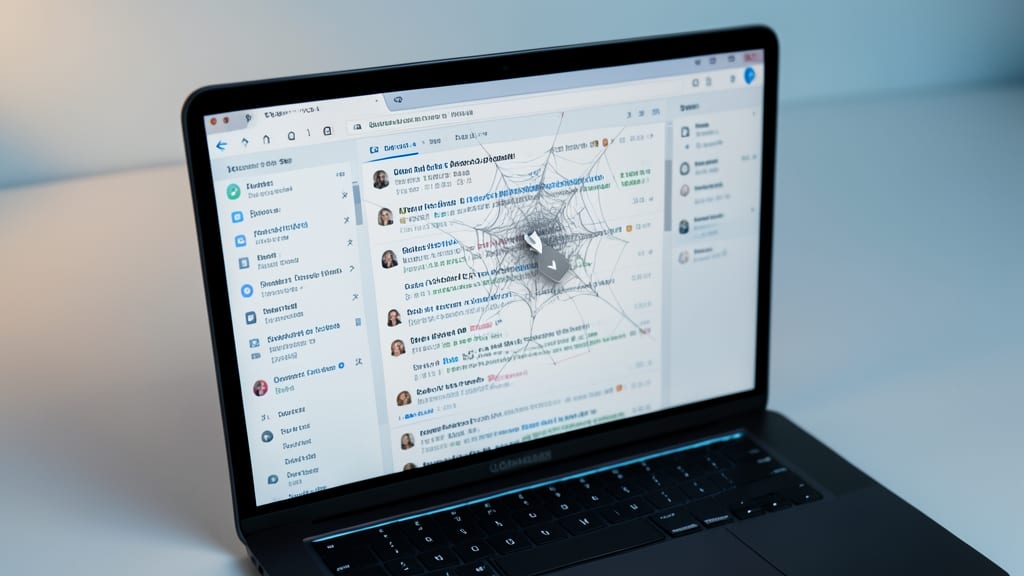
Tired of scrolling through endless email threads that feel like a tangled web? Outlook’s thread collapse feature lets you hide or expand entire conversations with a single click—keeping your inbox clean while keeping all the context just a tap away.
To collapse a thread, simply click the small arrow icon next to the subject line in the preview pane. Need to expand it later? Just click again. This works seamlessly on desktop and mobile, and you can even collapse all threads at once by right-clicking the thread list and selecting "Collapse All." For teams drowning in back-and-forth discussions, this feature is a game-changer.
Perfect for project managers, customer support teams, or anyone juggling group emails, this trick keeps your inbox organized without losing important context. Give it a try—your sanity will thank you! ✨
Outlook Add-Ins for Extra Features
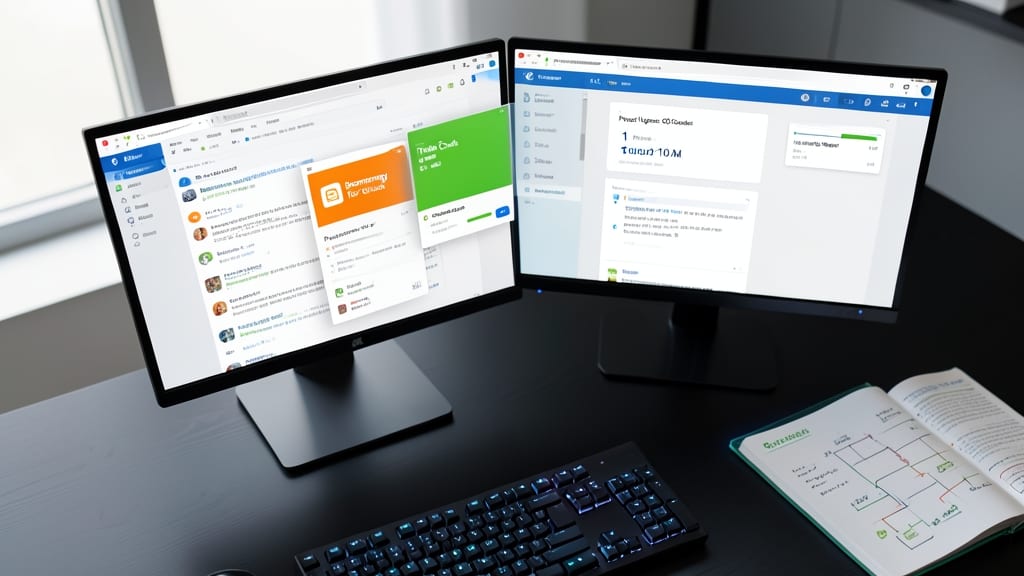
Tired of Outlook’s built-in features feeling limited? Add-ins like Boomerang (delayed sends, read receipts) or Trello (task management directly in emails) inject powerful new workflows without leaving your inbox. These third-party tools bridge gaps between email and productivity apps, making Outlook smarter for professionals who juggle multiple tools.
Install add-ins in seconds from the Outlook Store—no IT approval needed. Boomerang lets you schedule sends or recall messages, while Trello integration turns emails into actionable cards. For developers, GitHub or Slack add-ins sync notifications directly into Outlook. Most are free for basic use, with premium tiers unlocking advanced automation.
Perfect for project managers, sales teams, or anyone drowning in cross-app notifications. Try one today and watch your email workflow transform! ✨