
Coding
SQL Server 2012 introduced groundbreaking features that transformed database management, performance, and security. These 10 game-changing tools will modernize your development workflow and optimize database operations for today's demands.
AlwaysOn Availability Groups

Mission-critical applications demand 99.999% uptime, and SQL Server 2012 delivers it with AlwaysOn Availability Groups—a game-changer for enterprise environments. This feature eliminates single points of failure by synchronizing data across multiple servers in real-time, ensuring seamless failover when primary nodes go offline.
With synchronous or asynchronous commit options, you control performance vs. data consistency tradeoffs. The solution supports up to 8 secondary replicas, letting you scale read operations while maintaining write availability. Automatic failover happens in under 30 seconds, minimizing downtime for applications like banking systems or e-commerce platforms.
Perfect for financial institutions, healthcare providers, or SaaS platforms, this feature lets you build resilient architectures without custom scripting. ⚡
Columnstore Indexes for Data Warehousing

If your data warehouse is struggling under the weight of massive analytical queries, Columnstore Indexes in SQL Server 2012 could be your game-changer. This feature revolutionizes how data is stored and queried, delivering 10x storage compression and 100x faster query speeds for analytical workloads—ideal for petabyte-scale environments.
Unlike traditional row-based indexes, Columnstore Indexes store data column-wise, drastically reducing I/O operations and memory usage. They automatically handle batch mode processing, making them perfect for aggregations, joins, and scans. The best part? You don’t need to rewrite queries—just create the index, and SQL Server optimizes performance behind the scenes.
Data warehouse administrators and BI teams will see the biggest benefits, especially when dealing with fact tables or large historical datasets. For organizations drowning in data but starved for insights, this is the upgrade they’ve been waiting for. ✨
Contained Databases with User-Defined Server Roles
Tired of juggling sysadmin privileges just to manage permissions for multi-tenant apps? Contained Databases in SQL Server 2012 solve this by isolating database environments—no more relying on server-level logins or complex role hierarchies.
With contained databases, you can define user-defined server roles that scope permissions within a database, not across the entire instance. This means DBAs can delegate tasks like schema changes or data access without granting sysadmin rights. The feature also supports contained authentication, letting you manage logins independently of Windows accounts—ideal for SaaS providers or cloud deployments where tenant isolation is critical.
Perfect for ISVs, cloud providers, and SaaS developers who need to deploy multiple database instances securely. It’s the missing piece for modernizing legacy applications with granular security controls. ✨
Windows Server Core Support
If you're tired of bloated server deployments sapping resources, Windows Server Core in SQL Server 2012 delivers a leaner, meaner alternative. This minimal installation strips away unnecessary components, slashing your attack surface by 30% while reducing memory and disk usage—ideal for cloud or virtualized SQL Server deployments.
By default, Server Core runs headless (no GUI) and supports only essential services like PowerShell and command-line tools. For SQL Server, this means fewer patches to maintain, lower licensing costs, and better performance in high-density environments. Microsoft even optimized it for containers, making it perfect for DevOps pipelines.
Developers managing cloud-based SQL Server instances or containerized workloads will love this feature. It’s also a game-changer for security-conscious teams prioritizing minimalism without sacrificing functionality. ✨
SQL Server Data Tools Integration
Tired of juggling separate tools for database design and application development? SQL Server Data Tools (SSDT) bridges that gap by embedding SQL Server management directly into Visual Studio 2010/2012. This integration lets you create, debug, and deploy database projects—complete with schema comparisons and unit testing—without ever leaving your IDE.
The toolset includes schema comparison to sync database changes across environments, data generation for realistic test data, and T-SQL debugging with breakpoints. It also supports database projects that compile into scripts, ensuring version control compatibility. For teams using Visual Studio, this eliminates context-switching between SSMS and your editor.
Perfect for database developers and full-stack teams, SSDT accelerates workflows by unifying database and application development. ⚡
AlwaysEncrypted Technology for Sensitive Data

Worried about compliance headaches or data breaches? AlwaysEncrypted in SQL Server 2012 shifts the encryption burden to your application layer, keeping sensitive data like credit card numbers or medical records locked down—even from database administrators.
This feature encrypts data both at rest and in motion, ensuring compliance with regulations like HIPAA or PCI DSS without sacrificing query performance. You can define encryption rules at the column level, and SQL Server handles the decryption transparently during queries. The deterministic encryption mode even allows indexed searches on encrypted columns.
Perfect for industries handling regulated data, AlwaysEncrypted gives developers peace of mind while maintaining flexibility. 💻
Power View Interactive Data Visualization
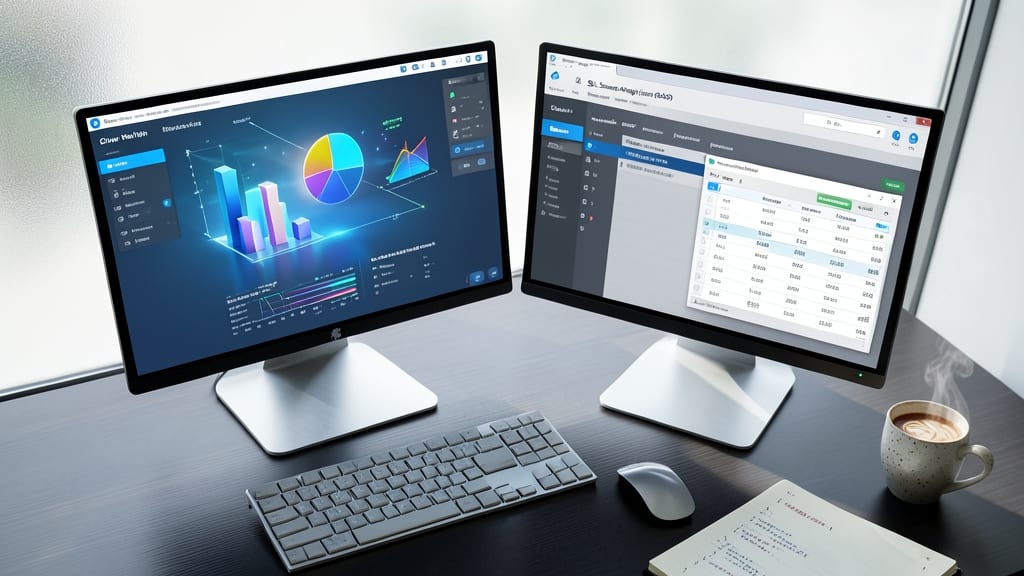
Tired of waiting for IT teams to generate reports? Power View in SQL Server 2012 lets business users drag-and-drop their way to stunning, interactive dashboards—no SQL queries required. This browser-based tool connects directly to SQL Server Analysis Services (SSAS) or PowerPivot models, turning raw data into visual stories with just a few clicks.
With support for touch interactions, drill-down capabilities, and real-time filtering, Power View transforms static spreadsheets into dynamic explorations. The SharePoint integration means teams can collaborate on insights without version conflicts, while data alerts notify users when thresholds are breached. Even complex hierarchies become intuitive through its gesture-based navigation.
Perfect for marketers, sales analysts, or finance teams who need to explore trends without technical gatekeepers, Power View democratizes data access while keeping IT in control. 💡
Contained Database Authentication
Tired of juggling Windows logins across multiple database instances? Contained Database Authentication in SQL Server 2012 lets you manage credentials inside the database itself—no server-level logins required. This game-changer simplifies deployments by eliminating dependency on Windows authentication, making it ideal for developers working with isolated database environments.
With contained database authentication, you can create SQL Server logins directly within the database using SQL Server authentication (username/password) or Windows authentication (without sysadmin privileges). This feature supports contained database users, contained database roles, and contained database principals, giving you granular control over permissions without touching the server instance. Perfect for developers managing multiple databases in cloud or multi-tenant environments.
This feature is a lifesaver for dev teams deploying databases in CI/CD pipelines or DBAs managing tenant-specific databases. Say goodbye to server-level login sprawl! ✨
SQL Server Data Quality Services
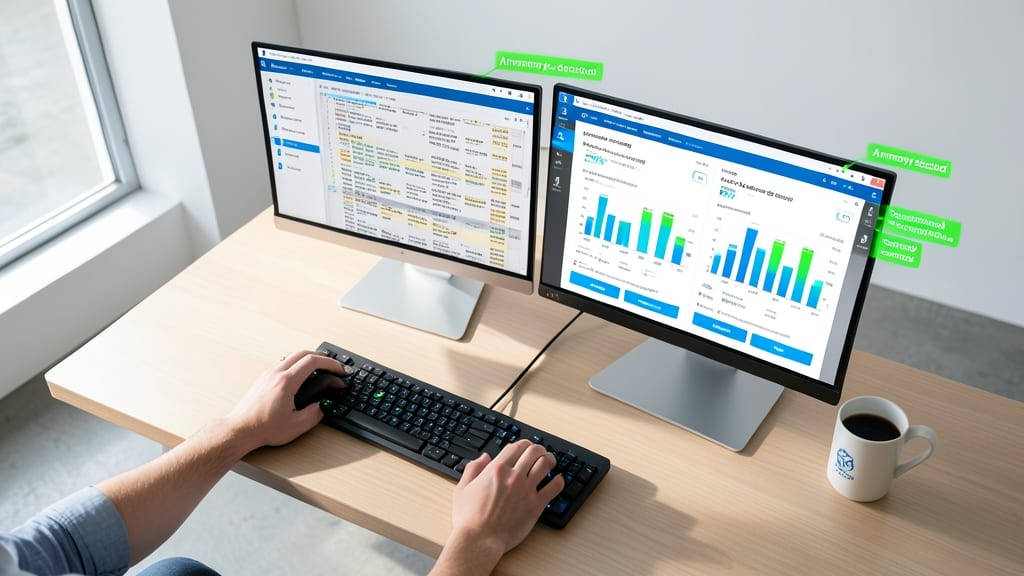
Tired of spending hours manually scrubbing data before analysis? SQL Server Data Quality Services (DQS) automates the process with AI-powered profiling and cleansing—saving teams weeks of tedious work.
This built-in toolkit combines data profiling (identifying patterns, anomalies, and inconsistencies) with cleansing rules (standardizing formats, correcting errors, and deduplicating records). It integrates seamlessly with SQL Server Integration Services (SSIS) and supports 100+ data quality rules out of the box, from address validation to domain-specific business logic.
Perfect for data analysts, BI teams, and compliance officers who need to ensure accuracy before reporting. With zero-code customization for domain-specific rules, it’s the ultimate Swiss Army knife for data integrity. ✨
Windows Azure Integration for Cloud Deployments

Tired of complex cloud migrations that require rewriting applications? SQL Server 2012's Windows Azure Integration bridges on-premises and cloud environments with near-zero configuration changes. This feature lets you extend existing databases to Windows Azure SQL Database while maintaining compatibility with your current applications.
The integration supports transparent failover between on-premises and cloud instances, ensuring high availability without manual intervention. You get synchronized data across environments and the ability to offload read-heavy workloads to Azure with minimal setup. The SQL Server Data-Tier Application (DAC) framework simplifies deployment packaging and versioning for cloud-ready databases.
Perfect for enterprises testing cloud scalability or disaster recovery, this feature lets you dip your toes into Azure without full migration risks. Your existing apps connect seamlessly to cloud-hosted databases while you evaluate long-term cloud strategies. ✨