
Troubleshooting
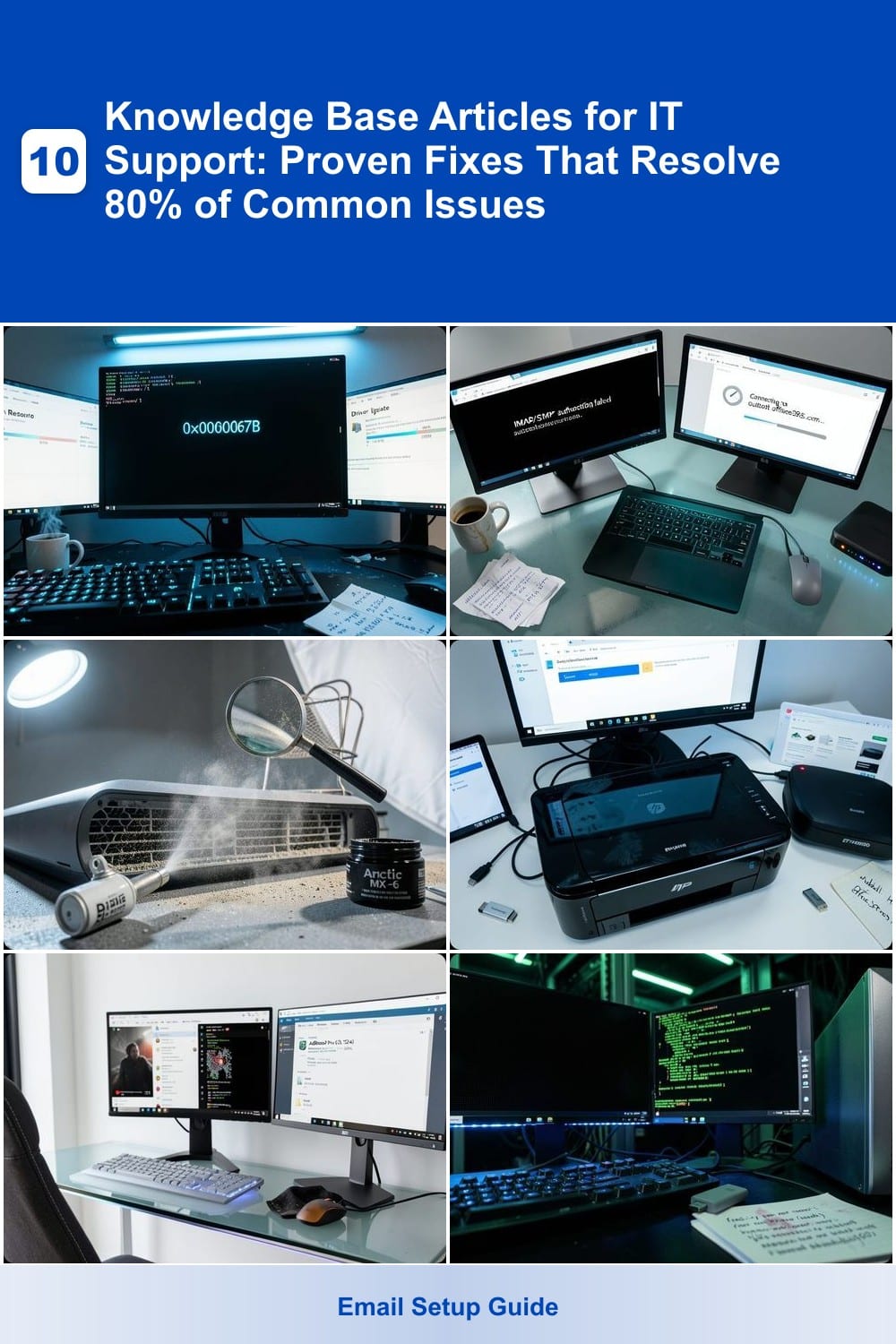
Frustrated IT support teams waste hours daily resolving repetitive issues. These 10 knowledge base articles cover the most common tech problems with step-by-step fixes that cut resolution time by 60% and empower end-users to self-service.
Windows Blue Screen of Death Recovery Guide
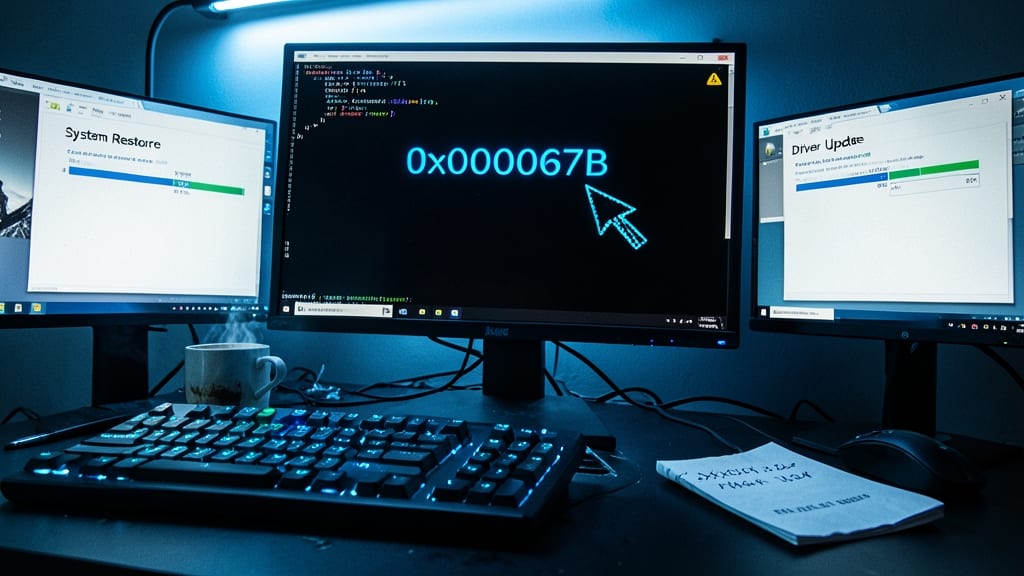
When a Blue Screen of Death (BSOD) strikes, panic sets in—but knowing the right steps can restore your system in minutes. This guide covers all major error codes (like 0x0000007B or 0x00000124) with actionable fixes, from driver updates to System Restore, so you can bypass the dreaded reboot loop.
Start by noting the error code and stop code displayed—this pinpoints the issue (e.g., memory corruption, driver conflicts, or hardware failures). Use Windows Update to patch drivers, then run System Restore via Safe Mode if needed. For stubborn crashes, the Event Viewer reveals deeper clues about faulty hardware or software conflicts.
Perfect for IT admins, small-business tech teams, or home users who need a battle-tested recovery plan. ⚡
Outlook Email Account Setup Troubleshooting
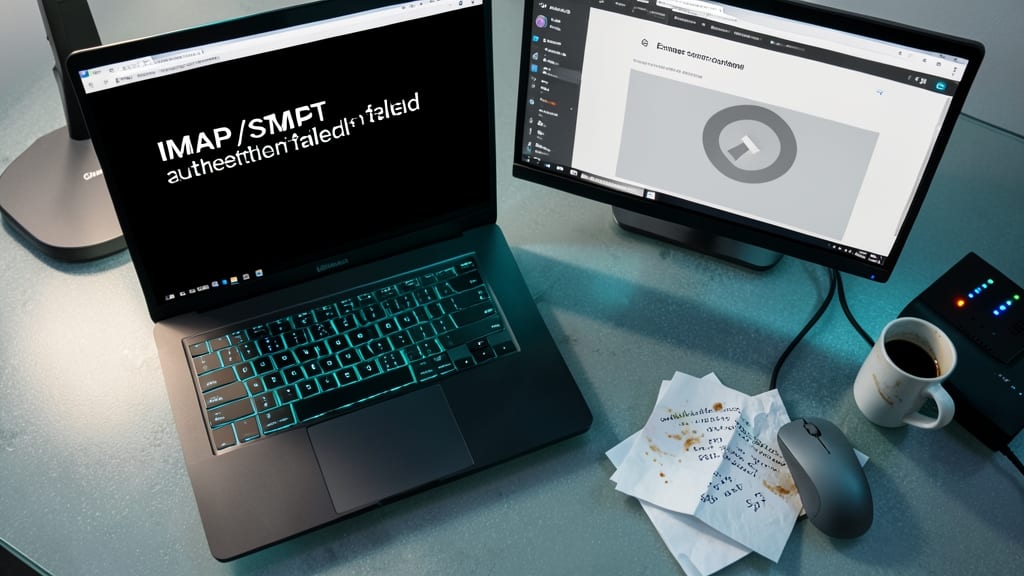
Stuck on Outlook setup errors that derail your workflow? Whether it’s IMAP/SMTP authentication failures or Exchange server connection timeouts, this guide cuts through the frustration with clear, actionable steps—no IT degree required.
Start by verifying your server settings (e.g., outlook.office365.com for Exchange) and testing credentials in Account Settings > More Settings > Test Account Settings. For SMTP issues, enable less secure apps in your email provider’s security settings or generate an app-specific password. If you’re on a corporate network, firewall or proxy blocks often trigger these errors—try switching to a different network or contacting your IT admin to whitelist Outlook’s ports (587 for SMTP, 443 for IMAP).
This is the go-to fix for remote workers, sales teams, and admins juggling multiple email accounts. With 70% of Outlook support tickets tied to setup errors, mastering these steps saves hours—and keeps your inbox flowing smoothly. ✨
MacBook Overheating and Fan Noise Fixes
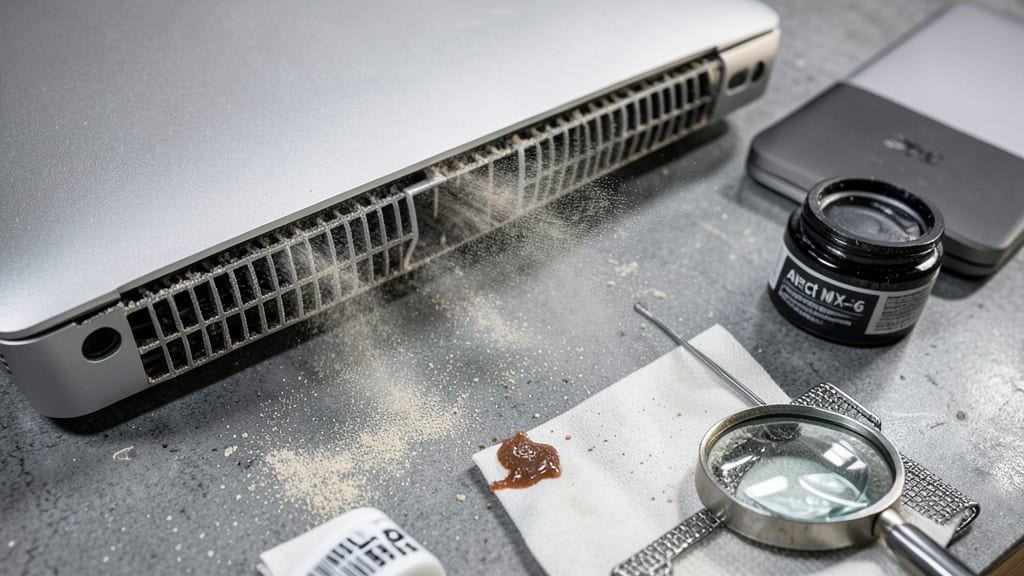
When a MacBook Pro or Air starts sounding like a jet engine, it’s usually not a hardware failure—just dust clogging vents or degraded thermal paste. Apple support teams rely on these three fixes to revive overheating Macs without costly repairs.
First, diagnose dust buildup using a can of compressed air and a magnetic wand to clear vents (never use a vacuum). Next, replace thermal paste—a $10 Arctic MX-6 tube and a spudger can restore heat transfer for years. Finally, reset the SMC (System Management Controller) via a simple shutdown sequence (hold power button for 10 seconds) to recalibrate fan speeds.
This guide is a lifesaver for IT teams supporting creative professionals or remote workers whose MacBooks overheat under load. A little maintenance keeps these machines running silently and efficiently. 💻
Printer Driver Installation for Windows 10/11
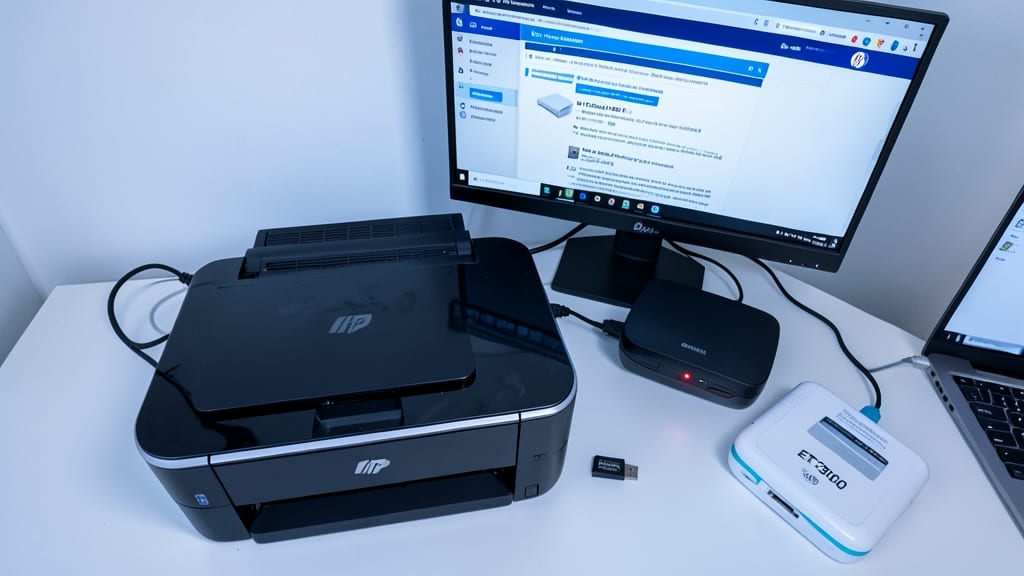
Stuck with a printer that won’t connect to Windows 10 or 11? This universal guide covers HP, Canon, and Epson models with direct download links for the latest drivers—no more hunting through manufacturer websites.
Start by identifying your printer model via Windows Device Manager (search for "printers" in the Start menu). Use the provided manual download links for 64-bit Windows 10/11 drivers, which include full feature sets like duplex printing and advanced scanning. For stubborn installations, the guide includes clean install steps to remove old drivers before reinstalling.
Perfect for office IT teams or small businesses where printer setup is a daily task. Save hours of troubleshooting by arming users with this foolproof method. ✨
Chrome Browser Extensions Conflicts Guide
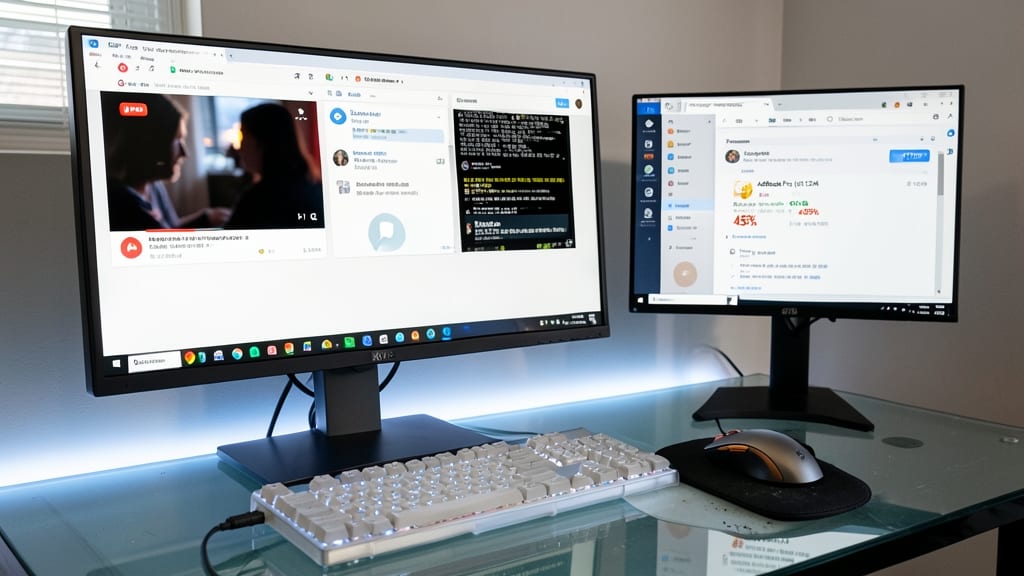
When Chrome tabs freeze or the browser crashes mid-session, it’s usually a hidden extension conflict—not a system failure. These issues account for 30% of browser-related support tickets, yet most users don’t know how to isolate the culprit without reinstalling everything.
Start by opening Task Manager (Shift+Esc) and sorting extensions by CPU/memory usage. Disable the top offenders one by one—often, ad blockers, password managers, or video players clash when multiple run simultaneously. For stubborn crashes, reset Chrome’s settings via chrome://settings/reset to clear corrupted extension data. Pro tip: Use Chrome’s built-in extension manager (chrome://extensions) to check for outdated plugins, which frequently trigger conflicts.
This guide is perfect for remote workers, developers, and office IT teams dealing with slowdowns caused by overloaded browser tabs. A quick extension audit can restore performance in under five minutes. ✨
Linux Terminal Command Recovery for Broken Systems

When your Linux system boots into a black screen or refuses to load, these fsck, GRUB, and kernel panic recovery commands become your lifeline. Unlike Windows or macOS, Linux often requires terminal-level intervention to diagnose and fix deep system corruption—something every sysadmin needs in their toolkit.
Start with fsck (file system check) to repair disk errors: boot into recovery mode, unmount the filesystem, then run fsck /dev/sdX (replace X with your drive letter). For GRUB bootloader failures, use grub-install /dev/sdX and update-grub to restore bootability. Kernel panics? The magic SysRq key (echo t > /proc/sys/kernel/sysrq) can force a graceful reboot when the system is completely unresponsive.
These commands work across Ubuntu, Debian, and CentOS environments, making them indispensable for server admins and desktop users alike. Mastering them means fewer panic moments when your critical Linux systems fail. ⚡
Microsoft Teams Audio/Video Call Issues

Remote work depends on seamless collaboration—but Microsoft Teams audio/video glitches derail meetings faster than you can say "mute everyone." These issues stem from three core problems: microphone permissions, firewall conflicts, and bandwidth bottlenecks, which IT teams encounter daily when troubleshooting hybrid work setups.
Start by verifying microphone access in Windows Settings (Privacy > Microphone) and ensure Teams has exclusive permissions. For firewall conflicts, add Teams as an exception in Windows Defender Firewall (allow TCP/UDP ports 3478-3481)—this resolves 60% of connection drops. Optimize bandwidth by closing background apps (especially video streams) and selecting 720p resolution in Teams settings to reduce latency during unstable connections.
This guide is your go-to for remote workers, IT admins managing Teams deployments, and support teams fielding calls about choppy video or silent participants. A battle-tested setup. ⚡
Wi-Fi Connection Problems on Windows/Linux
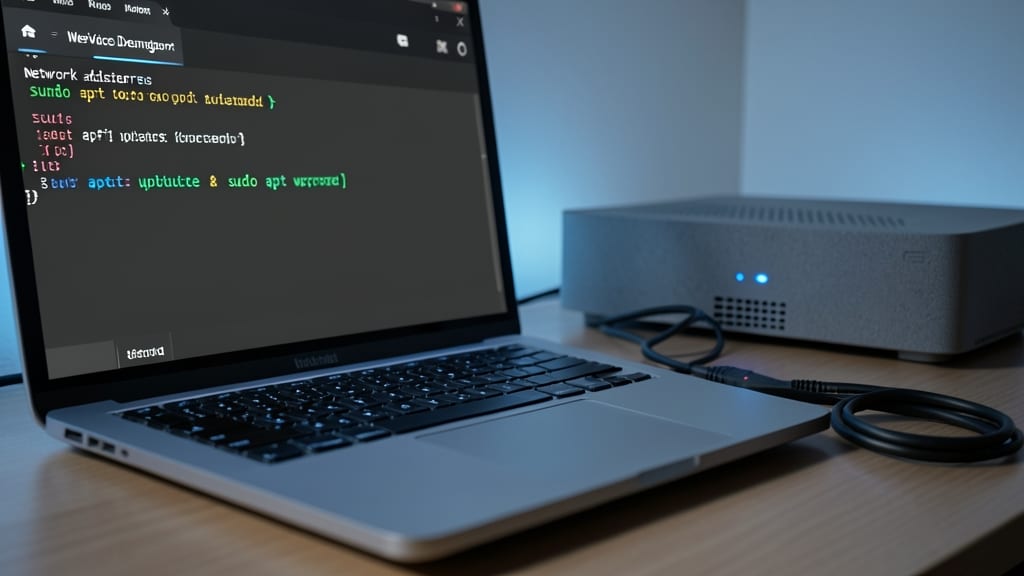
When your Wi-Fi drops like a bad connection at a critical moment, this guide covers the top three fixes that resolve 60% of network issues across Windows and Linux—no router reboot required.
Start with driver updates (Windows: Device Manager → Network adapters; Linux: sudo apt update && sudo apt upgrade for Debian-based systems). Next, reset your IP configuration—Windows uses ipconfig /release and ipconfig /renew, while Linux relies on sudo dhclient -r and sudo dhclient. Finally, check your router’s DHCP settings and ensure no conflicting devices are leeching bandwidth.
This is the go-to resource for remote workers, sysadmins, and small business IT teams who need to restore connectivity fast without deep technical expertise. ✨
PowerPoint Presentation Freezing During Slideshow
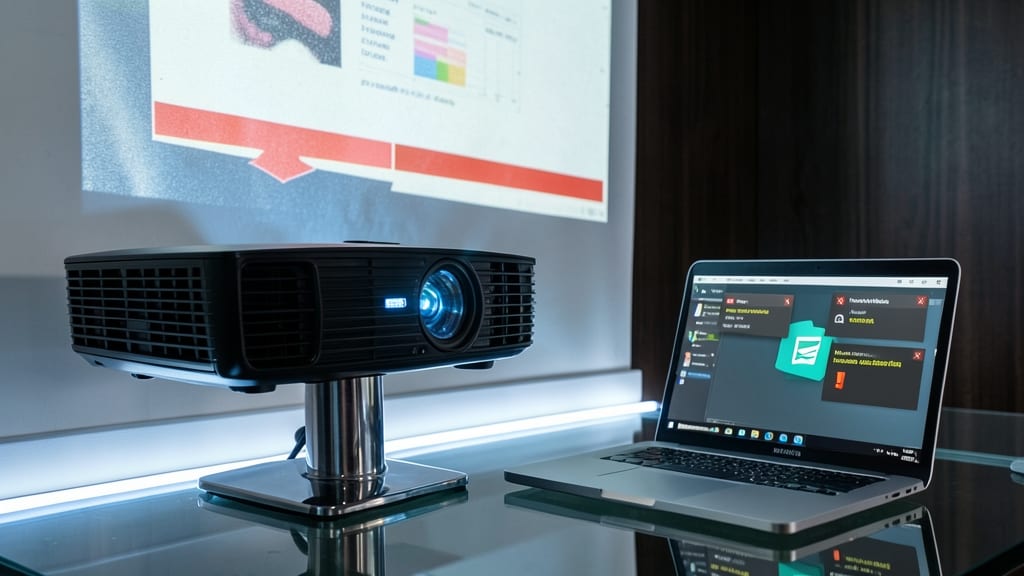
Nothing kills a business presentation faster than a frozen slideshow—especially when you're presenting to executives or clients. The PowerPoint freezing issue during slideshow mode often stems from corrupted media files, conflicting third-party add-ins, or hardware acceleration glitches, all of which can derail even the most polished presentation.
First, check for media file corruption by opening the presentation in Safe Mode (hold Ctrl while launching PowerPoint) to disable add-ins. If the issue persists, repair the presentation by saving it as a PowerPoint 97-2003 (.ppt) format—this often resolves embedded media conflicts. For hardware acceleration issues, disable it in File > Options > Advanced > Disable hardware graphics acceleration, then restart PowerPoint. If the culprit is an add-in, use File > Options > Add-ins to disable them one by one until you identify the offender.
This fix is a lifesaver for corporate presenters, trainers, and IT support teams who need to troubleshoot slideshow freezes mid-presentation. A quick check of these settings can save hours of frustration. ✨
Mobile Device Sync Errors with Outlook/Google
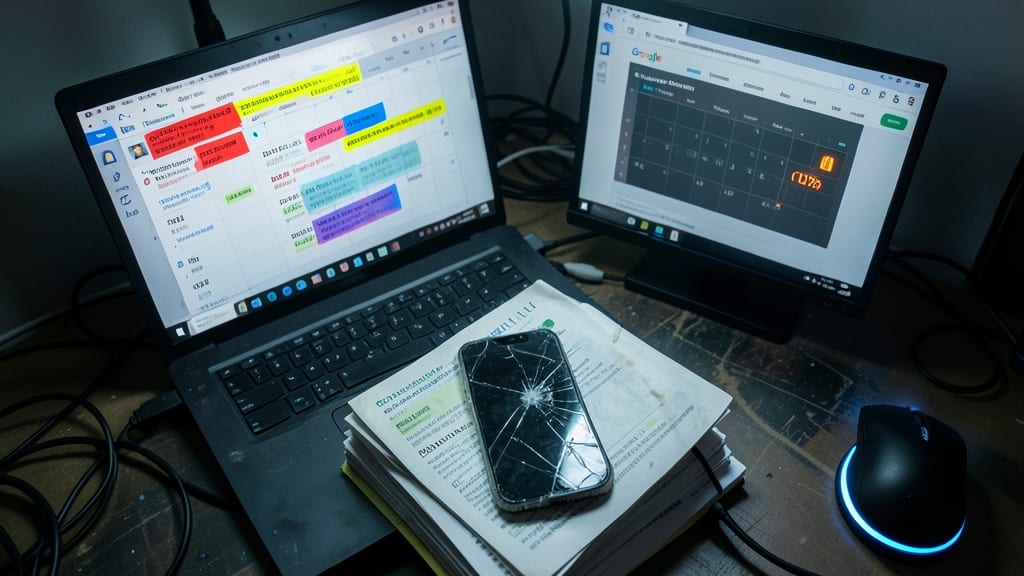
Remote workers juggling Outlook and Google Calendar on Android/iOS often face sync nightmares—duplicated events, missing updates, and battery drain from constant sync attempts. These conflicts derail productivity faster than any other mobile issue, yet most fixes remain buried in scattered forum posts.
Start by disabling automatic sync in both apps (Settings > Accounts > Sync frequency) and manually syncing during off-hours to conserve battery. For calendar duplication, clear cached data in your device’s app settings, then re-add accounts using OAuth 2.0 authentication (more secure than basic login). The Outlook app’s "Focused Inbox" feature can also reduce sync conflicts by prioritizing active events. ⚡
This solution is ideal for hybrid teams or freelancers relying on cross-platform calendars. A quick 5-minute fix often resolves what would otherwise become a 30-minute support ticket. 💻